Author: Jason

  • 10 Drought-Resistant Native Plants Perfect for Sydney Gardens

    10 Drought-Resistant Native Plants Perfect for Sydney Gardens

    Creating a beautiful, thriving garden in Sydney doesn’t have to mean excessive water use. With increasing water restrictions and a changing climate, drought-resistant native plants offer the perfect solution for environmentally conscious homeowners. These resilient species have evolved to flourish in Australia’s challenging conditions, making them ideal choices for sustainable gardens.

    At Dry Comal Creek Landscaping, we’re passionate about helping Sydney residents establish water-wise gardens that look stunning year-round while conserving precious resources. Here are our top 10 recommendations for drought-resistant native plants that will thrive in Sydney’s climate.

    1. Kangaroo Paw (Anigozanthos)
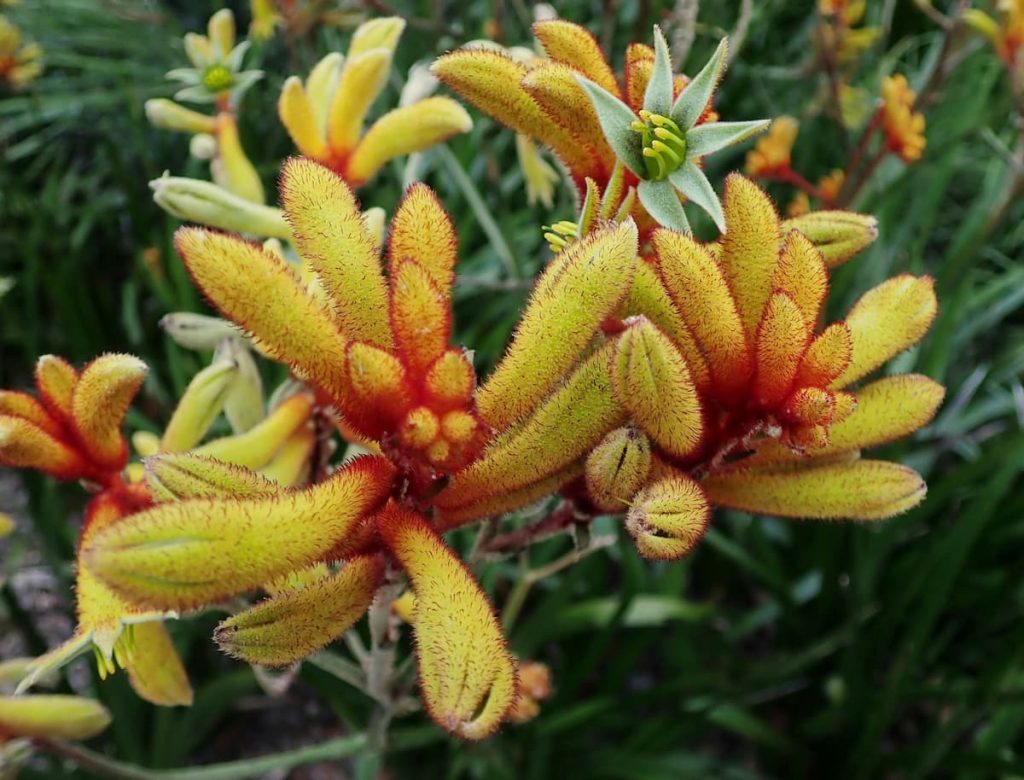
    Kangaroo Paw

    With its distinctive fuzzy, paw-shaped flowers in vibrant reds, yellows, and greens, Kangaroo Paw makes a dramatic statement in any garden. This iconic Australian native thrives in full sun to partial shade and requires minimal watering once established.

    Why we love it: Attracts nectar-feeding birds and creates striking visual interest with its unique flower structure. The taller varieties work beautifully as focal points, while smaller cultivars make excellent border plants.

    2. Coastal Rosemary (Westringia fruticosa)

    Don’t let the name fool you—this isn’t true rosemary but a hardy native shrub with similar silvery-grey foliage. Coastal Rosemary produces delicate white or pale purple flowers almost year-round and can withstand both drought and coastal conditions.

    Why we love it: Incredibly low-maintenance and versatile—it can be shaped into formal hedges, left to grow naturally, or even trained as a small standard. Its salt tolerance makes it perfect for gardens near the coast.

    3. Grevillea ‘Robyn Gordon’

    This popular Grevillea cultivar offers spectacular red spider-like flowers against deep green foliage. Flowering almost continuously throughout the year, it provides reliable color and attracts numerous bird species.

    Why we love it: Fast-growing and adaptable to various soil types, ‘Robyn Gordon’ delivers maximum impact for minimal effort. Its dense growth also makes it an excellent privacy screen or informal hedge.

    4. Blue Flax Lily (Dianella caerulea)

    This versatile strappy-leaved plant brings texture and structure to garden beds. Its small blue-purple flowers develop into striking glossy blue berries, creating year-round interest.

    Why we love it: Exceptionally hardy and versatile, Blue Flax Lily works well in mass plantings, as a ground cover, or in containers. It thrives in both sun and shade, making it perfect for challenging spots in your garden.

    5. Native Fuchsia (Correa alba)

    With charming bell-shaped flowers in white, pink, or red, Native Fuchsia provides winter color when many other plants are dormant. Its compact growth habit makes it suitable for smaller gardens and containers.

    Why we love it: Provides crucial winter food sources for honeyeaters and displays remarkable drought tolerance once established. The soft, grey-green foliage offers attractive contrast to other native plants.

    6. Cushion Bush (Leucophyta brownii)

    For striking architectural interest, Cushion Bush is hard to beat. Its silvery-white foliage forms a dense, rounded shape that looks almost sculptural in the landscape. Small yellow button flowers appear in summer, adding subtle color.

    Why we love it: Extremely drought-tolerant and perfect for creating contrast in the garden. Its distinctive appearance works well in contemporary designs and coastal gardens.

    7. Banksia Spinulosa (Hairpin Banksia)

    This medium-sized shrub produces distinctive golden-orange flower spikes during autumn and winter. Its serrated leaves add textural interest year-round, and its compact size makes it suitable for most gardens.

    Why we love it: Provides crucial food for native birds during the cooler months when other nectar sources are scarce. Its winter flowering adds color to the garden during typically sparse periods.

    8. Lomandra ‘Tanika’

    This improved form of Lomandra longifolia offers fine, arching green foliage that brings movement and texture to the landscape. Extremely hardy, it survives with minimal irrigation once established.

    Why we love it: Virtually indestructible and perfect for difficult spots where other plants struggle. Its architectural form works well in both contemporary and traditional garden designs.

    9. Dwarf Bottlebrush (Callistemon ‘Little John’)

    This compact Callistemon variety reaches only about 1m in height, making it perfect for smaller gardens. Its stunning red brush flowers appear predominantly in spring and summer, contrasting beautifully against the blue-grey foliage.

    Why we love it: Attracts numerous nectar-feeding birds and insects while maintaining a manageable size. Its dense growth habit means minimal weeding underneath.

    10. Purple Coral Pea (Hardenbergia violacea)

    This versatile native climber or scrambling ground cover produces masses of purple pea-flowers in late winter and spring. It can be trained up trellises or allowed to spread as a ground cover.

    Why we love it: Provides spectacular seasonal color and adapts to various growing conditions. Its early flowering brings life to the garden when many other plants are still dormant.

    Designing Your Drought-Resistant Garden

    When incorporating these plants into your landscape, consider these key principles:

    • Group plants with similar water needs together to maximize irrigation efficiency
    • Add organic mulch to conserve soil moisture and suppress weeds
    • Prepare soil properly before planting to improve drainage and water retention
    • Consider aspect and microclimate when placing plants to maximize their natural resilience

    Need Help Creating Your Water-Wise Garden?

    At Dry Comal Creek Landscaping, we specialise in designing and installing beautiful, sustainable gardens using drought-resistant native plants. Our team can help you transform your outdoor space into a low-maintenance, water-wise oasis that thrives in Sydney’s climate.

    Contact us today to schedule a consultation and discover how we can bring your sustainable garden vision to life.

    What’s your experience with native plants? Do you have favourites that have performed well in your Sydney garden? Share your thoughts in the comments below!
  • Xeriscaping Myths Debunked: The Truth About Low-Water Landscaping

    Xeriscaping Myths Debunked: The Truth About Low-Water Landscaping

    Xeriscaping has gained attention as water restrictions become more common and gardeners seek sustainable landscaping solutions. Yet despite its growing popularity, xeriscaping remains one of the most misunderstood concepts in modern gardening. Many people envision barren landscapes filled with rocks and cacti, devoid of colour or life. This couldn’t be further from the truth. Let’s separate fact from fiction and explore what xeriscaping really means for Australian gardens.

    Myth 1: Xeriscaping Means a Desert of Rocks and Gravel

    Perhaps the most persistent myth about xeriscaping is that it results in stark, lifeless landscapes dominated by gravel and boulders. This misconception likely stems from poorly executed “zero-scaping” where homeowners simply cover their yards with rocks and call it done.

    True xeriscaping celebrates plants and creates lush, vibrant gardens that happen to use less water. The term comes from the Greek word “xeros” meaning dry, combined with landscaping. It’s about intelligent plant selection and design, not plant elimination. Well-designed xeriscape gardens can be incredibly diverse, featuring flowing grasses, colourful flowering perennials, and even small trees. The key is choosing plants adapted to your local climate rather than forcing thirsty exotic species to survive.

    Many stunning drought-tolerant plants offer spectacular displays. Think of the silver-blue foliage of Teucrium fruticans, the vibrant purple spikes of Salvia ‘May Night’, or the architectural beauty of Agave attenuata. These plants create rich tapestries of colour and texture while thriving on minimal water.

    Myth 2: You Can Only Use Cacti and Succulents

    While cacti and succulents certainly have their place in water-wise gardens, limiting yourself to these plants unnecessarily restricts your design options. Xeriscaping encompasses a vast array of plant choices from Mediterranean herbs to Australian natives, ornamental grasses to flowering shrubs.

    Consider lavender’s fragrant purple blooms, the delicate flowers of Gaura lindheimeri dancing in the breeze, or the bold architectural statements made by grass trees (Xanthorrhoea species). Native plants like grevilleas, westringias, and correas provide year-round interest with minimal water requirements. Many traditional cottage garden plants, including rosemary, sage, and yarrow, are naturally drought-tolerant once established.

    The secret lies in understanding your local climate and choosing plants that naturally thrive in those conditions. In Mediterranean climates, this might include olive trees and rock roses. In more temperate areas, native grasses and adapted perennials work beautifully. The palette is limited only by your climate zone, not by the xeriscaping concept itself.

    Myth 3: Xeriscaped Gardens Are High Maintenance

    Contrary to popular belief, properly designed xeriscaped gardens require significantly less maintenance than traditional landscapes. The myth of high maintenance often arises from poorly planned gardens where inappropriate plants struggle to survive, or where the initial establishment phase is confused with ongoing care requirements.

    Once established, drought-tolerant plants need minimal intervention. They’ve evolved to thrive without constant human attention. No weekly mowing of thirsty lawns, no daily watering during summer, and no regular fertilising of hungry exotic plants. Native and adapted plants resist local pests and diseases better than imports, reducing the need for chemical interventions.

    The key to low maintenance lies in proper plant selection and placement. Group plants with similar water needs together, use mulch to suppress weeds and retain moisture, and allow plants to grow into their natural forms rather than constantly pruning them into unnatural shapes. The result is a garden that largely takes care of itself, freeing you to enjoy rather than constantly tend your outdoor space.

    Myth 4: Low-Water Gardens Look Dead in Summer

    This myth persists because people assume drought-tolerant means dormant during dry periods. While some plants do employ summer dormancy as a survival strategy, many xerophytic plants look their absolute best during the hottest months when traditional gardens struggle.

    Summer-blooming salvias explode with colour just as lawns turn brown. Ornamental grasses like Miscanthus and Pennisetum reach their full glory in summer heat. Mediterranean plants such as cistus and teucrium often flower most prolifically during warm, dry weather. Australian natives like bottlebrush and tea trees save their spectacular displays for when rainfall is scarce.

    Smart design ensures year-round interest by combining plants with different blooming seasons and foliage textures. Silver-leaved plants like Artemisia and Senecio provide cooling contrast during hot months, while the seed heads of grasses and dried flowers add architectural interest. Far from looking dead, well-planned xeriscaped gardens offer dynamic displays that change with the seasons.

    Myth 5: Xeriscaping Means No Lawn

    While reducing or eliminating traditional lawn areas can significantly decrease water usage, xeriscaping doesn’t mandate a lawn-free landscape. The principle focuses on using turf grass wisely rather than eliminating it entirely. If you love lawn for children’s play areas or picnics, include it – just be strategic about how much and where.

    Consider limiting lawn to functional areas where it’s actually used, rather than growing it by default. Replace unused lawn areas with groundcovers, mulched beds, or hardscaping. When you do include turf, choose drought-tolerant species like Buffalo grass or native Microlaena, which require far less water than traditional couch or kikuyu varieties.

    Alternative “lawns” made from native groundcovers like Dichondra repens (kidney weed) or Zoysia tenuifolia (no-mow grass) provide green coverage with minimal water requirements. These living carpets offer the visual appeal of lawn without the high water and maintenance demands.

    Myth 6: Xeriscaping Is Expensive to Install

    The initial cost of xeriscaping often concerns homeowners, but this viewpoint fails to consider long-term savings. While establishing any new garden requires investment, xeriscaped gardens typically cost no more than traditional landscapes to install and far less to maintain over time.

    Consider the ongoing costs of maintaining a traditional garden: water bills, fertilizers, pesticides, lawn mower fuel, and potentially hiring maintenance help. Xeriscaped gardens dramatically reduce or eliminate these expenses. Many councils offer rebates for lawn removal or installing water-wise gardens, offsetting initial costs.

    Start small if budget is a concern. Convert one area at a time, beginning with the most challenging spots where traditional plants struggle. Use division and cuttings from established plants to expand your garden economically. Many drought-tolerant plants, particularly succulents and native grasses, propagate easily from cuttings or division.

    Myth 7: Drought-Tolerant Plants Are Ugly

    This myth reveals a lack of familiarity with the incredible diversity of water-wise plants available. From the architectural drama of agaves to the cottage garden charm of lavender, drought-tolerant plants offer every aesthetic imaginable. The stunning flowers of kangaroo paws, the ethereal beauty of Mexican sage, and the sculptural forms of grass trees rival any thirsty exotic for visual impact.

    Modern plant breeding has produced exceptional drought-tolerant varieties with extended flowering periods, compact growth habits, and spectacular colours. Grevillea ‘Superb’ offers enormous orange and yellow flowers, while Echinacea breeding has produced drought-tolerant coneflowers in every shade from white to deep burgundy.

    The key is designing with the same principles used in any beautiful garden: considering form, texture, colour, and seasonal interest. A well-designed xeriscape garden can be formal or casual, modern or traditional, subtle or bold – the plant palette supports any design vision.

    Creating Your Own Water-Wise Paradise

    Understanding what xeriscaping truly means opens up exciting possibilities for creating beautiful, sustainable gardens. Start by observing your site’s conditions: sun exposure, soil type, and natural water flow. Choose plants that match these conditions rather than fighting against them.

    Design for both aesthetics and function, creating outdoor rooms that invite use while minimising water consumption. Include hardscaping elements like paths and patios that reduce planted areas while increasing usability. Harvest rainwater where possible, direct runoff to planted areas, and use mulch generously to retain soil moisture.

    Remember that xeriscaping is a set of principles, not a rigid prescription. Adapt these concepts to your lifestyle, aesthetic preferences, and local conditions. The result will be a garden that’s not only beautiful and sustainable but also uniquely yours – proving that water-wise landscaping enhances rather than limits your gardening possibilities.

  • Seasonal Maintenance Tips for Your Native Plant Garden

    Seasonal Maintenance Tips for Your Native Plant Garden

    Native plant gardens offer the promise of lower maintenance and better environmental outcomes, but “low maintenance” doesn’t mean “no maintenance.” Understanding what tasks to tackle each season ensures your native garden thrives year-round while working in harmony with natural cycles. By timing maintenance activities correctly, you’ll support plant health, encourage wildlife, and reduce your overall workload. Here’s your complete seasonal guide to keeping your Australian native garden looking its absolute best.

    Summer (December – February): Protection and Water Management

    Summer presents the greatest challenges for native gardens, with intense heat, potential water restrictions, and the risk of bushfire in many areas. However, most established natives handle these conditions remarkably well with minimal intervention.

    Focus your watering efforts on plants established within the last two years, as these haven’t yet developed extensive root systems. Water deeply but infrequently – a thorough soaking once a week beats daily sprinkles. Water in the early morning or evening to minimize evaporation, directing water to the root zone rather than foliage. Many natives, particularly those from Western Australia, resent summer water on their leaves.

    Apply a thick layer of organic mulch (75-100mm) if you haven’t already, keeping it away from plant stems to prevent collar rot. Mulch is your summer superhero, reducing soil temperature, retaining moisture, and suppressing weeds. Native wood chip mulch works excellently and breaks down slowly in our climate.

    Resist the urge to fertilize during extreme heat, as this can stress plants. If you notice plants struggling, a application of seaweed solution can help them cope with heat stress without promoting vulnerable new growth. Remove spent flowers to encourage further blooming, but leave seed heads on plants like grasses and banksias if you want to attract seed-eating birds.

    For bushfire-prone areas, summer means maintaining defendable space. Keep grass short, remove dead material, and ensure gaps between shrubs and trees. This doesn’t mean destroying habitat – strategic placement of plants and maintaining moisture in the garden can actually provide refuge for wildlife during fires.

    Autumn (March – May): Planting and Preparation

    Autumn is the native gardener’s golden season. Cooling temperatures and approaching winter rains create ideal conditions for planting and transplanting. This is when you should do the bulk of your garden development and renovation work.

    Start by assessing your garden’s performance over summer. Which plants thrived? Which struggled? Use these observations to guide your autumn planting choices. Visit native plant nurseries early in the season for the best selection, as popular species sell quickly once planting season begins.

    Prepare new garden beds by removing weeds and improving soil if necessary. While many natives prefer low-nutrient soils, incorporating some compost can help with soil structure in heavy clay or very sandy conditions. Plant on overcast days if possible, and water in well with a seaweed solution to reduce transplant shock.

    This is the ideal time for major pruning of established shrubs. Most natives respond brilliantly to pruning after their main flowering period. Cut back sprawling plants like correas and westringias by up to one-third to maintain compact growth. Prune just above a growth node or junction rather than leaving stubs. For plants like banksias that don’t regenerate from old wood, limit pruning to tip pruning and deadheading.

    Collect seed from your garden for propagation. Many native seeds need specific conditions to germinate, but autumn-collected seed can be stored in paper envelopes in a cool, dry place until the appropriate sowing time. This is also when you should divide clumping plants like lomandras and dianellas – they’ll establish quickly in autumn’s mild conditions.

    Winter (June – August): Gentle Maintenance and Wildlife Support

    Winter often brings the most spectacular flowering displays in native gardens, with wattles, banksias, and hakeas brightening the cooler months. Maintenance tasks are generally lighter, allowing you to enjoy your garden rather than constantly work in it.

    Continue planting through winter in frost-free areas. In cold regions, wait until the risk of severe frost passes. Winter rain means less watering for new plants, though you should check them during dry spells. Established natives typically need no supplementary water during winter unless conditions are unusually dry.

    Apply a native-specific, low-phosphorus fertilizer to established plants if desired. Winter application allows nutrients to be available for spring growth. Scatter fertilizer before rain or water in well. Blood and bone or well-composted cow manure works well for most natives, though avoid fertilizing phosphorus-sensitive plants like banksias, grevilleas, and hakeas.

    Weed control becomes crucial in winter as annual weeds germinate with autumn rains. Remove weeds before they flower and set seed. Hand weeding after rain when soil is soft makes the job easier. Top up mulch where it has decomposed or blown away, maintaining that 75-100mm layer.

    Lightly prune frost-damaged growth on sensitive plants, but wait until spring for major pruning as foliage provides protection. In cold areas, resist tidying up too much – leaf litter and dried plant material provide crucial winter shelter for beneficial insects, small reptiles, and birds.

    Spring (September – November): Growth and Renewal

    Spring sees explosive growth in native gardens. This is when you’ll witness the rewards of your year-round care as plants burst into flower and new growth emerges. It’s also when maintenance tasks ramp up again.

    Monitor new growth for pest problems. Native plants generally resist pests, but spring growth can attract aphids or caterpillars. Often, beneficial predators will control these naturally if you avoid pesticides. If intervention is needed, try hosing off pests or using organic controls like neem oil.

    Spring pruning focuses on shaping and tip pruning to encourage bushy growth. Prune spring-flowering plants like wattles immediately after blooming. Regularly tip prune young plants to establish good structure – it’s easier to shape plants when young than correct problems later. For groundcovers like native violets or scaevola, trim edges to contain spread.

    As weather warms, gradually increase watering for plants establishing from winter planting. Check irrigation systems before summer heat arrives, cleaning filters and adjusting coverage. Consider installing drip irrigation for more efficient water use if you haven’t already.

    Feed plants again if you didn’t in winter, but finish fertilizing by mid-spring. Late fertilizing promotes soft growth vulnerable to summer heat. Refresh mulch one final time before summer, as spring rain can cause rapid decomposition.

    This is also when many natives produce seed. Allow some plants to self-seed for a natural look, but remove unwanted seedlings before they establish. Some vigorous self-seeders like certain acacias may need monitoring to prevent them overwhelming other plants.

    Year-Round Considerations

    Some maintenance tasks transcend seasons. Regular observation is your most powerful tool – weekly garden walks help you spot problems early when they’re easily addressed. Keep a garden journal noting flowering times, wildlife visitors, and maintenance performed. This information becomes invaluable for planning and problem-solving.

    Tool maintenance shouldn’t be overlooked. Clean and sharpen pruning tools regularly, disinfecting between plants if disease is present. Sharp tools make cleaner cuts that heal faster. Store liquid fertilizers and treatments in a cool, dark place to maintain effectiveness.

    Consider wildlife needs in all maintenance activities. Leave some areas “messy” with hollow logs, rock piles, and thick shrubs for shelter. Maintain water sources year-round, cleaning and refilling bird baths regularly. Time noisy maintenance like mowing to avoid disturbing nesting birds during spring.

    Photography provides another valuable maintenance tool. Regular photos from the same viewpoints document your garden’s evolution and help identify gradual changes you might otherwise miss. They’re also wonderful for sharing your garden’s progress with other native plant enthusiasts.

    Conclusion

    Successful native garden maintenance aligns with natural rhythms rather than fighting against them. By understanding what each season demands and offers, you can work smarter rather than harder. Native plants, given appropriate seasonal care, reward gardeners with resilience, beauty, and the joy of supporting local ecosystems.

    Remember that every garden is unique, influenced by microclimate, soil type, and plant selection. Use these seasonal guidelines as a starting point, but let your garden teach you its specific needs. Over time, you’ll develop an intuitive understanding of when your garden needs attention and when it’s best to let nature take its course. This connection between gardener, plants, and seasons creates not just a beautiful space, but a thriving ecosystem that enriches both your life and the broader environment.